Celebrating New Beginnings
A time for reflection, renewal, and celebration around the world
New Year's Day, celebrated on January 1st, marks the beginning of the calendar year in the Gregorian calendar. It's a time when people around the world bid farewell to the past year and welcome the new one with hope, joy, and festivities.
This global celebration transcends cultural, religious, and geographical boundaries, with each region adding its unique customs and traditions to the universal themes of renewal and fresh starts.
From watching the ball drop in Times Square to eating 12 grapes at midnight in Spain, the diversity of New Year's traditions reflects our shared human desire to mark time and embrace new possibilities.

Global New Year's Traditions
Discover how different cultures welcome the new year

 United States
Times Square Ball Drop
Since 1907, New Yorkers and visitors have gathered in Times Square to watch the iconic ball drop at midnight, marking the start of the new year with a spectacular light show.
- Millions watch in person and on TV
- The ball is covered with Waterford crystals
- Accompanied by confetti and "Auld Lang Syne"

 Spain
Spain
Twelve Grapes at Midnight
Spaniards eat 12 grapes at midnight—one with each bell strike—to bring good luck for each month of the coming year. This tradition dates back to the early 1900s.
- Each grape represents a month
- Must finish all before the last bell
- Spread to many Latin American countries

 Japan
Japan
Joya no Kane (Temple Bells)
Buddhist temples ring their bells 108 times at midnight to cleanse the 108 human sins according to Buddhist belief and welcome the new year with a clean slate.
- 108 rings symbolize purification
- Accompanied by deep house cleaning (Osouji)
- Special food (Osechi-ryori) is prepared

 Brazil
White Clothing & Ocean Offerings
Brazilians wear white on New Year's Eve for good luck and peace. Many also head to the beaches to jump seven waves while making wishes and offering flowers to Iemanjá, the goddess of the sea.
- White symbolizes peace and renewal
- Seven waves bring seven wishes
- Offerings include flowers and candles

 Scotland
Hogmanay & First Footing
Scotland's Hogmanay celebration includes "first footing"—the first person to enter a home after midnight brings symbolic gifts for luck, traditionally a lump of coal, shortbread, salt, and whisky.
- Dark-haired visitors bring best luck
- Gifts symbolize warmth, food, flavor, and good spirits
- Accompanied by singing "Auld Lang Syne"

 Denmark
Breaking Plates for Friendship
Danes save old plates throughout the year to break on friends' doorsteps on New Year's Eve. The more broken dishes on your doorstep, the more friends and good luck you'll have in the coming year.
- Symbolizes friendship and community
- More broken dishes means more popularity
- Also jump off chairs at midnight for luck
New Year's Traditions Around the World
Unique New Year's Customs
Fascinating and unusual ways people welcome the new year

Colombia: Empty Suitcase Walk
Colombians carry empty suitcases around the block at midnight, hoping to ensure a year filled with travel and adventures. The faster you walk, the more traveling you'll do!

South Africa: Furniture Toss
In Johannesburg, some residents throw old furniture out of windows to symbolically discard the old year and make room for new beginnings. (Don't worry—most do this safely from ground-floor windows!)

Ecuador: Burning Effigies
Ecuadorians create scarecrow-like effigies (años viejos) representing the old year or unwanted situations, then burn them at midnight to symbolically destroy the negative aspects of the past year.

Germany: "Dinner for One" Sketch
Germans have a peculiar tradition of watching a 1963 British comedy sketch called "Dinner for One" on New Year's Eve. Despite being virtually unknown in Britain, it's become the most frequently repeated TV program ever.

Philippines: Round Everything
Filipinos surround themselves with round things on New Year's Eve, from wearing polka dots to displaying 12 round fruits (one for each month). The circular shape symbolizes prosperity, as it resembles coins.

Russia: Silent Wishes
Russians observe 12 seconds of silence just before midnight, taking time to reflect on the past year and make wishes for each month of the coming year before the celebrations begin.
The History of New Year's Day
From ancient celebrations to modern traditions
Ancient Babylonian Akitu
The earliest recorded New Year's celebrations were in Mesopotamia around 2000 BCE. The Babylonians celebrated Akitu, a 12-day festival marking the spring equinox (mid-March) that celebrated the mythical victory of the sky god Marduk over the sea goddess Tiamat.
Julius Caesar's Calendar Reform
Julius Caesar introduced the Julian calendar in 45 BCE, establishing January 1 as the beginning of the new year. January was named after Janus, the Roman god of beginnings and transitions, depicted with two faces—one looking to the past and one to the future.
Medieval Christian Influence
In medieval Europe, Christian influence led many countries to move New Year's Day to align with religious feasts. Various dates were used, including December 25 (Christmas), March 1, and March 25 (Feast of the Annunciation), creating calendar confusion across Europe.
Gregorian Calendar Adoption
Pope Gregory XIII introduced the Gregorian calendar in 1582, which reaffirmed January 1 as New Year's Day. This calendar corrected inaccuracies in the Julian calendar and is the most widely used civil calendar today.
First Times Square Ball Drop
The first New Year's Eve ball drop in Times Square, New York City, took place on December 31, 1907. The tradition was started by The New York Times owner Adolph Ochs as a way to attract attention to the newspaper's headquarters in Times Square.
Global Digital Celebrations
Today, New Year's celebrations have evolved to include virtual elements, with live streams of celebrations worldwide, social media countdowns, and digital fireworks. The COVID-19 pandemic accelerated this trend, with many celebrations moving online in 2020-2021.
While January 1st is the most widely recognized New Year's Day globally, many cultures maintain their traditional new year celebrations based on lunar, solar, or agricultural calendars.
Explore Celebration IdeasNew Year's Celebration Ideas
Creative ways to welcome the new year with style

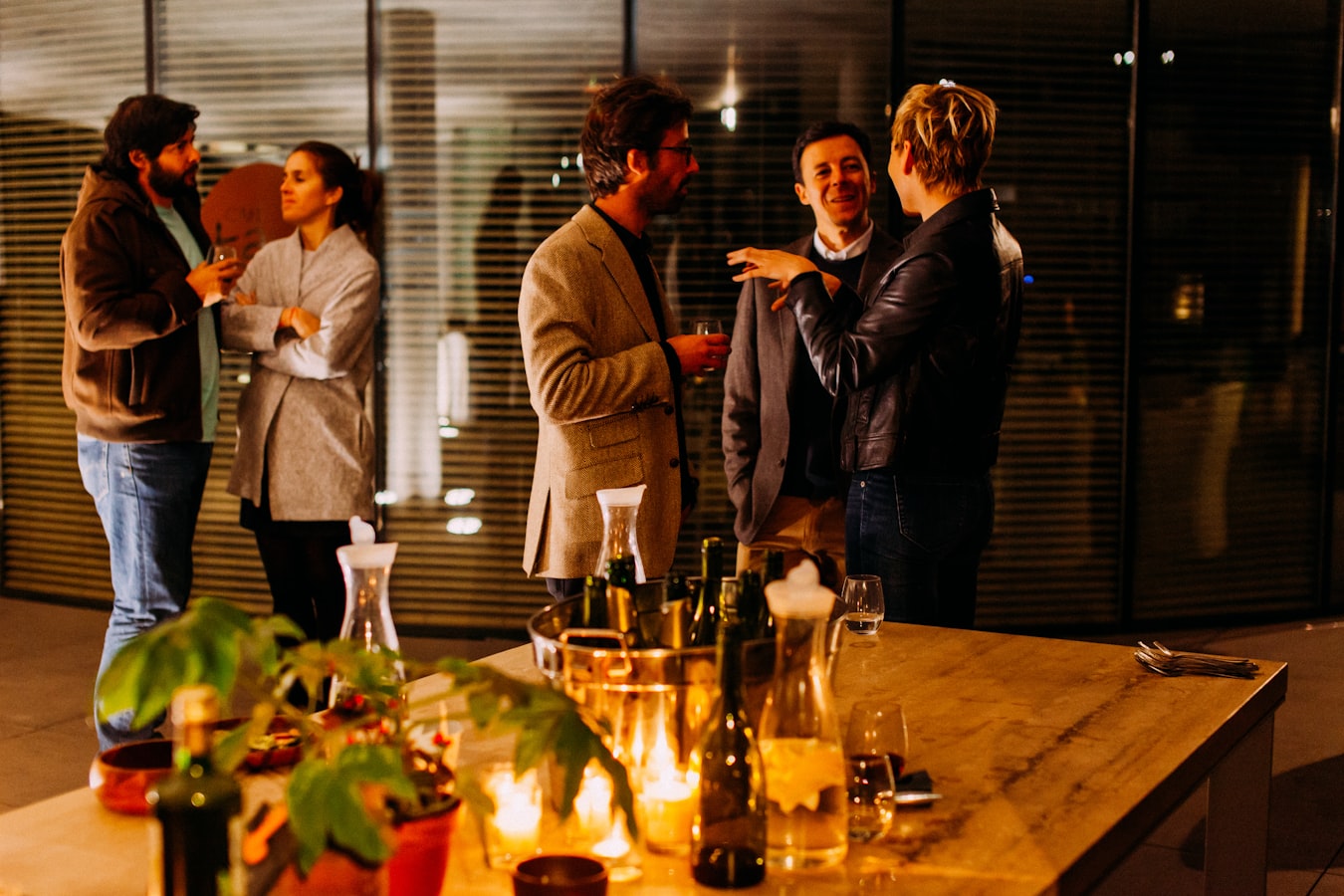
Host a Themed Countdown Party
Create a memorable evening with a themed party that reflects the past year or your hopes for the new one. Popular themes include "Roaring 20s," "Around the World," or "Black and Gold Elegance."
What You'll Need:
- Themed decorations and party favors
- Countdown clock or projection
- Champagne or sparkling cider for toasting
- Photo booth with props for memories
- Playlist with upbeat dance music

Global New Year's Food Feast
Host a potluck featuring lucky foods from around the world. Each dish can represent a different culture's New Year tradition, creating a delicious and educational experience.
Lucky Foods to Include:
- Black-eyed peas (Southern US) for prosperity
- 12 grapes (Spain) for monthly luck
- Long noodles (China/Japan) for longevity
- Lentils (Italy) for wealth
- Ring-shaped cakes (Netherlands) for coming full circle

Reflection and Intention Setting
Create a meaningful transition by hosting a reflection circle where guests can share highlights from the past year and set intentions for the coming one through various creative activities.
Activity Ideas:
- Vision board creation station
- Letter writing to your future self
- Burning bowl ceremony (write what you want to release)
- Group meditation at midnight
- Word of the year selection
Midnight Outdoor Adventure
Start the year with an adventure by organizing a midnight hike, beach bonfire, or stargazing expedition. Being in nature as the new year begins can create a profound sense of connection and possibility.
Planning Tips:
- Research locations with minimal light pollution
- Bring warm clothing and blankets
- Pack thermoses with hot drinks
- Prepare a small speaker for the countdown
- Don't forget cameras for night photography
Cultural Traditions Mashup
Create a unique celebration by incorporating traditions from different cultures. This educational and fun approach allows everyone to experience global customs without leaving home.
Traditions to Include:
- Spanish grape eating at midnight
- Danish plate breaking (use safe alternatives)
- Brazilian white clothing dress code
- Scottish first-footing ceremony
- Japanese bell ringing (use small bells)

Virtual Global Celebration
Connect with friends and family around the world through a virtual celebration that spans time zones, allowing you to celebrate the new year multiple times throughout the day.
How to Organize:
- Create a schedule of global midnight moments
- Set up video calls for each time zone celebration
- Prepare themed snacks for each country
- Share traditional toasts in different languages
- Create a collaborative playlist with music from each region
New Year's Resolutions
Setting meaningful intentions for the year ahead

The Art of Effective Resolutions
New Year's resolutions date back to ancient Babylonians, who made promises to their gods at the start of each year. Today, about 40% of Americans set resolutions, but only about 8% successfully achieve them.
Tips for Resolution Success:
Be Specific and Measurable
Instead of "exercise more," try "walk 30 minutes three times a week" or "complete a 5K by June."
Start Small and Build
Begin with achievable goals and gradually increase the challenge as you build confidence and habits.
Share Your Goals
Tell friends or family about your resolutions to create accountability and support systems.
Track Your Progress
Use a journal, app, or calendar to monitor your journey and celebrate small victories along the way.
Countdown to New Year 2027
The celebration never stops—start planning for next year!
Frequently Asked Questions
Everything you need to know about New Year's Day
Start Planning Your New Year's Celebration
Whether you're hosting a party, joining a public event, or creating your own traditions, make this New Year's Day special.